
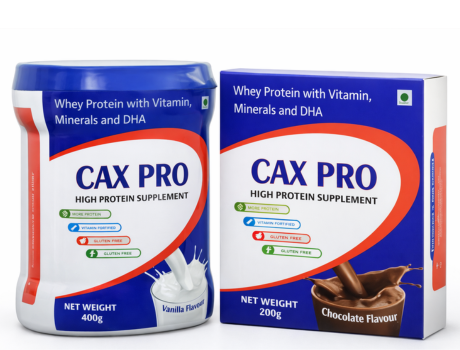
Cax-Pro Protein Suppliment
Whey protein is a popular dietary supplement derived from milk during the cheese-making process. It's known for its high-quality protein content and is commonly used to support muscle growth, repair, and overall recovery after exercise. Here’s a quick breakdown:
Types of Whey Protein:
- Whey Protein Concentrate (WPC): Contains some fats and carbs; usually about 70-80% protein by weight.
- Whey Protein Isolate (WPI): More processed to remove fat and lactose; contains around 90% protein by weight.
- Whey Protein Hydrolysate (WPH): Predigested protein, which is rapidly absorbed and causes less digestive issues.
Benefits:
- Muscle growth : Provides essential amino acids, particularly branched-chain amino acids (BCAAs), which are key for muscle repair.
- Weight management : Can help with satiety and maintaining muscle mass during weight loss.
- Enhanced recovery : Reduces muscle soreness and accelerates recovery post-workout.
Common Uses:
- Post-workout shake: Most commonly consumed after exercise to aid in muscle recovery.
- Meal supplement: Used in smoothies or meals for added protein intake.
Docosahexaenoic Acid (DHA)
Docosahexaenoic Acid (DHA) is an omega-3 fatty acid that plays a crucial role in many bodily functions, particularly in brain, eye, and heart health. DHA is primarily found in fatty fish, fish oil, and algae oil, and it is a key structural component of the brain, retina, and many other tissues in the body. Here’s a detailed look:
Benefits of DHA:
- 1. Brain Health:
DHA is vital for brain development and function. It supports cognitive function and memory and is important for the brain’s growth and structure, especially in infants and children. - 2. Eye Health:
DHA is a key component of the retina, and adequate levels are essential for optimal vision. - 3. Heart Health:
Omega-3 fatty acids, including DHA, are linked to reduced inflammation and a lower risk of heart disease. They help improve cholesterol levels, reduce blood pressure, and decrease the risk of abnormal heart rhythms. - 4. Pregnancy and Early Development:
DHA is critical for fetal brain and eye development. Pregnant and breastfeeding women are often advised to consume adequate DHA for their baby’s development.
Sources of DHA:
- Fatty fish : Salmon, mackerel, sardines, and tuna are rich in DHA.
- Fish oil supplements : These provide a concentrated source of DHA and other omega-3s.
- Algae oil : A plant-based source of DHA, often used in supplements for vegetarians and vegans.
- Fortified foods : Some eggs, milk, and infant formulas are fortified with DHA.
Recommended Intake:
There is no specific recommended daily intake for DHA alone, but experts suggest that adults aim for 250-500 mg of combined EPA (eicosapentaenoic acid) and DHA per day, primarily for heart health.
Side Effects:
- Fishy aftertaste : Some people experience a fishy aftertaste or burps when taking DHA supplements from fish oil.
- Blood thinning : High doses may interfere with blood clotting, so it’s important to consult a healthcare provider if you're taking blood-thinning medications.
DHA is crucial for both long-term health and development, making it important in all stages of life.
Myo-inositol is a naturally occurring compound that plays a vital role in several cellular processes in the body, particularly in signaling pathways. Though it's often grouped with B vitamins, it's technically a carbohydrate. Myo-inositol has gained popularity for its health benefits, particularly in areas like hormone regulation, mental health, and reproductive health. Here’s an overview:
Benefits of Myo-Inositol:
o Myo-inositol is often used to manage PCOS, a hormonal disorder that affects women of reproductive age. It helps improve insulin sensitivity, reduces blood sugar levels, and may help regulate menstrual cycles.
o It also has been shown to support ovarian function and improve fertility in women with PCOS.
o Myo-inositol may have positive effects on mental health, especially in reducing symptoms of anxiety and depression. It’s involved in serotonin activity, which helps regulate mood.
o Myo-inositol improves the body's sensitivity to insulin, making it helpful for those with insulin resistance or diabetes. By aiding insulin function, it can also help manage blood sugar levels.
o Along with PCOS, myo-inositol has been shown to improve egg quality and ovulation in women with fertility issues.
o Since myo-inositol can help balance insulin levels, it may also be beneficial for weight loss and metabolic health, particularly in individuals with PCOS.
Sources of Myo-Inositol:
- Myo-inositol is found in various foods, including fruits (especially citrus fruits), beans, grains, and nuts.
- It is also available as a dietary supplement, often in powder or capsule form.
Dosage:
- The typical dosage ranges from 2 to 4 grams per day, especially in the treatment of PCOS or insulin resistance.
- For mental health, lower doses (typically under 1 gram per day) may be sufficient, but it depends on the individual’s needs and health goals.
Side Effects:
- Generally well-tolerated: Myo-inositol is considered safe with few side effects. In higher doses, it might cause mild digestive issues, such as nausea or bloating.
- Caution in pregnancy: Pregnant women or those trying to conceive should consult a doctor before starting myo-inositol supplementation.
Myo-inositol's diverse benefits make it a promising supplement, especially for hormone-related conditions and insulin sensitivity.