
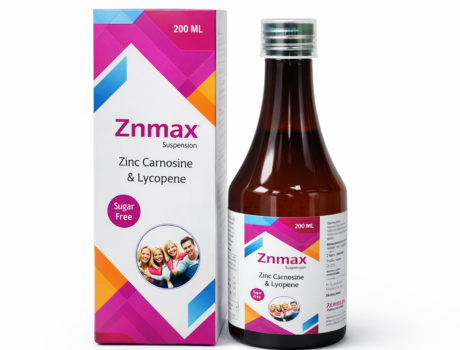
Znmax
Zinc carnosine is a combination of zinc and L-carnosine, used primarily for its gastrointestinal benefits, especially for promoting stomach and intestinal health. The compound is designed to have synergistic effects, combining the immune-boosting and anti-inflammatory properties of zinc with the antioxidant and tissue-healing properties of carnosine. Here's a detailed overview of zinc carnosine:
1. What is Zinc Carnosine?
Energy Production: Zinc carnosine is a chelated complex of zinc and L-carnosine in a 1:1 ratio. Zinc is a trace mineral essential for various bodily functions, including immune function and wound healing, while carnosine is a dipeptide (combination of two amino acids: beta-alanine and histidine) known for its antioxidant and tissue-repairing properties.
This combination is formulated to release both zinc and carnosine slowly in the digestive tract, allowing them to exert protective and healing effects on the stomach lining and intestines.
2. Key Benefits of Zinc Carnosine
The main benefits of zinc carnosine revolve around gastrointestinal health, but it also has applications for general health:
- Supports Gastrointestinal Health : Zinc carnosine is well-known for its ability to protect and heal the mucosal lining of the stomach and intestines. It helps maintain the integrity of the gut lining, making it useful in treating conditions like gastritis, ulcers, and leaky gut syndrome.
- Reduces Gastric Inflammation : Zinc carnosine reduces inflammation in the stomach lining caused by irritants like nonsteroidal anti-inflammatory drugs (NSAIDs), alcohol, or infections like Helicobacter pylori.
- Heals Gastric and Duodenal Ulcers : Studies have shown that zinc carnosine can help in the treatment of stomach ulcers by promoting the repair of damaged tissue and reducing ulcer size. It also stimulates the production of protective mucus, which acts as a barrier between the stomach lining and stomach acid.
- Helps with GERD and Acid Reflux : Zinc carnosine can alleviate symptoms of gastroesophageal reflux disease (GERD) by improving the health of the esophageal and gastric linings.
- Antioxidant and Anti-inflammatory Properties : Carnosine is an antioxidant that helps neutralize free radicals, protecting cells from oxidative damage. Zinc also plays a role in reducing inflammation and supporting tissue repair.
3. Mechanism of Action
The benefits of zinc carnosine arise from a combination of zinc’s immune-boosting and anti-inflammatory properties and carnosine’s ability to promote cell regeneration and repair. The slow-release nature of zinc carnosine allows it to adhere to the stomach and intestinal walls, where it exerts its protective effects by:
- Protecting the Mucosal Lining: It adheres to the stomach lining and protects it from damage caused by stomach acid, bacteria, or irritants like NSAIDs.
- Promoting Healing: It stimulates the repair of epithelial cells, improving tissue regeneration and healing of ulcers and damaged mucosa.
- Inhibiting Bacterial Growth: Zinc carnosine has antibacterial properties, making it effective against H. pylori, a bacteria known to cause stomach ulcers and gastritis.
4. Applications and Uses
- Stomach Ulcers: Zinc carnosine has been used in clinical settings, particularly in Japan, to treat gastric ulcers. It helps reduce ulcer size and promotes healing of the stomach lining.
- Gastritis: Zinc carnosine can reduce symptoms of gastritis (inflammation of the stomach lining), including pain, nausea, and bloating.
- Leaky Gut Syndrome: The complex helps strengthen the intestinal barrier, reducing permeability and preventing the leakage of harmful substances into the bloodstream.
- NSAID-Induced Gut Damage: Long-term use of NSAIDs can damage the stomach lining and cause ulcers. Zinc carnosine can protect the gut from such damage.
5. Other Health Benefits
- Immune Support : Zinc is essential for immune function, and regular zinc intake is crucial for fighting infections and supporting the body's natural defenses.
- Oral Health : Zinc carnosine can support oral mucosa healing, and it may be useful in treating conditions like mouth ulcers and gum disease.
- Wound Healing : Zinc is well-known for its role in wound healing, and the addition of carnosine may enhance tissue repair by reducing oxidative stress and promoting collagen production.
6. Dosage and Usage
- Standard Dosage: Zinc carnosine is typically taken in doses of 75 mg to 150 mg per day, often divided into two doses. This delivers approximately 16-30 mg of elemental zinc, depending on the formulation.
- Form: Zinc carnosine is available in capsule or tablet form as a supplement, and it is sometimes included in specialized gastrointestinal health supplements.
7. Safety and Side Effects
Zinc carnosine is generally considered safe when used at the recommended dosage. However, excessive zinc intake can lead to:
- Nausea or stomach upset.
- Impaired copper absorption if taken in high doses over long periods, which may lead to copper deficiency.
- Metallic taste in the mouth.
It is important to avoid excessive zinc intake from multiple sources (such as diet, multivitamins, and additional zinc supplements), as it can cause adverse effects.
8. Interactions
- Medications: Zinc carnosine may interact with certain medications, including antibiotics like tetracyclines and quinolones, as zinc can interfere with their absorption.
- Nutrient Absorption: High zinc intake can inhibit the absorption of other minerals, particularly copper and iron.
Conclusion
Zinc carnosine is a highly effective supplement for promoting gastrointestinal health, particularly for treating and preventing ulcers, gastritis, and intestinal permeability (leaky gut). Its slow-release properties allow it to protect and heal the gut lining, while its combination of zinc and carnosine offers additional benefits like antioxidant protection, immune support, and enhanced tissue repair. It’s a well-researched option, especially in Japan, for managing various gut-related conditions.