
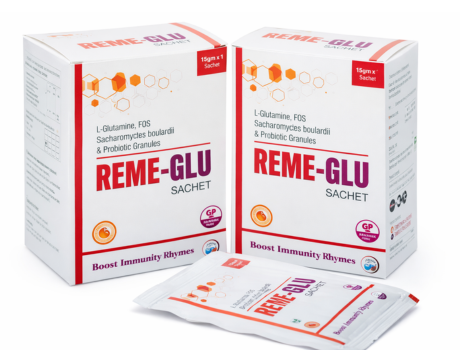
RemeGlu Sachets
L-Glutamine is an essential amino acid that plays a vital role in numerous biological processes. It is the most abundant amino acid in the body and serves as a building block for proteins, a fuel source for immune cells, and a key player in maintaining gut health.
Key Functions of L-Glutamine:
1. Protein Synthesis:
L-Glutamine is crucial for the synthesis of proteins, which are necessary for muscle
repair, growth, and overall tissue health.
2. Immune Function:
L-Glutamine supports the immune system by serving as a fuel source for immune cells,
particularly lymphocytes and macrophages. It helps maintain the immune response,
especially during periods of illness, stress, or injury.
3. Gut Health and
Intestinal Barrier Function:
Glutamine is essential for maintaining the integrity of the intestinal lining. It helps
repair and regenerate gut cells, which is critical for preventing leaky gut syndrome and
supporting proper nutrient absorption.
4. Nitrogen Transport:
As a carrier of nitrogen, L-glutamine helps distribute nitrogen throughout the body,
which is necessary for various metabolic processes and detoxification.
5. Energy Production:
L-Glutamine can be converted into glucose, providing an alternative energy source,
especially during periods of intense physical activity or metabolic stress.
Natural Sources of L-Glutamine:
L-Glutamine is naturally found in many protein-rich foods, including:
- Meat (beef, pork, chicken)
- Fish
- Dairy products (milk, cheese, yogurt)
- Eggs
- Plant sources (beans, lentils, spinach, cabbage, and beets)
Uses and Health Benefits of L-Glutamine:
1. Muscle Recovery and
Exercise Performance:
o Post-Workout Recovery: L-Glutamine is
widely used by athletes and fitness enthusiasts to promote faster recovery after
exercise. It aids in muscle repair and reduces muscle soreness by replenishing glutamine
levels depleted during intense physical activity.
o Muscle Preservation: It helps prevent
muscle breakdown (catabolism), making it useful during times of stress, such as after
surgery or prolonged exercise.
2. Gut Health and
Digestive Support:
o Irritable Bowel Syndrome (IBS) and Leaky Gut:
L-Glutamine helps maintain the integrity of the intestinal lining, reducing
permeability (leaky gut), and improving symptoms of conditions like IBS.
o Inflammatory Bowel Disease (IBD): Patients
with Crohn's disease and ulcerative colitis may benefit from L-glutamine
supplementation, as it can reduce inflammation and promote healing of the gut lining.
3. Immune System
Support:
o Infection and Illness Recovery: L-Glutamine
strengthens the immune system by providing energy to immune cells, which is particularly
important during recovery from infection, surgery, or trauma.
o Cancer Treatment Support: Patients
undergoing chemotherapy or radiation therapy may experience improved immune function and
reduced gut side effects (e.g., diarrhea) when supplemented with L-Glutamine.
4. Wound Healing and
Recovery from Surgery:
o L-Glutamine plays a role in wound healing by supporting tissue regeneration, collagen
production, and immune response. It is often used in clinical settings to aid recovery
after surgeries and injuries.
5. Stress and Trauma
Recovery:
o During times of physical or psychological stress, such as illness, injury, or surgery,
the body’s demand for L-glutamine increases. Supplementation can help meet these demands
and support faster recovery.
6. Brain Health:
o L-Glutamine acts as a precursor to neurotransmitters like glutamate and
gamma-aminobutyric acid (GABA), which are involved in brain function. This amino acid
may help in cognitive function, mental clarity, and mood regulation.
L-Glutamine Supplementation:
L-Glutamine is available in supplement form, often used for its various health benefits. It is commonly found in powder or capsule form.Dosage: Typical doses range from 5 to 15 grams per day, depending on the purpose (e.g., muscle recovery, gut health, immune support). Higher doses may be recommended for medical purposes under professional guidance.
Special Considerations:
Cancer Patients: L-Glutamine has shown promise in reducing the side effects of chemotherapy and radiation therapy, particularly oral mucositis and gastrointestinal symptoms. However, cancer patients should only take L-glutamine supplements under medical supervision, as it may affect cancer cell metabolism in certain cases.
Saccharomyces Boulardii
It seems like you are referring to Saccharomyces boulardii, a non-pathogenic yeast often used as a probiotic. Saccharomyces boulardii has been studied for its beneficial effects on gastrointestinal health, particularly in preventing and treating diarrhea, including antibiotic-associated diarrhea, traveler's diarrhea, and certain cases of irritable bowel syndrome (IBS).
It works by helping to restore the natural balance of gut microbiota and supporting the intestinal barrier. S. boulardii is also known for its ability to produce enzymes and proteins that can inhibit the growth of harmful bacteria and modulate the immune system.